

Miami Editorial Photographer: What Makes Editorial Photography Different?
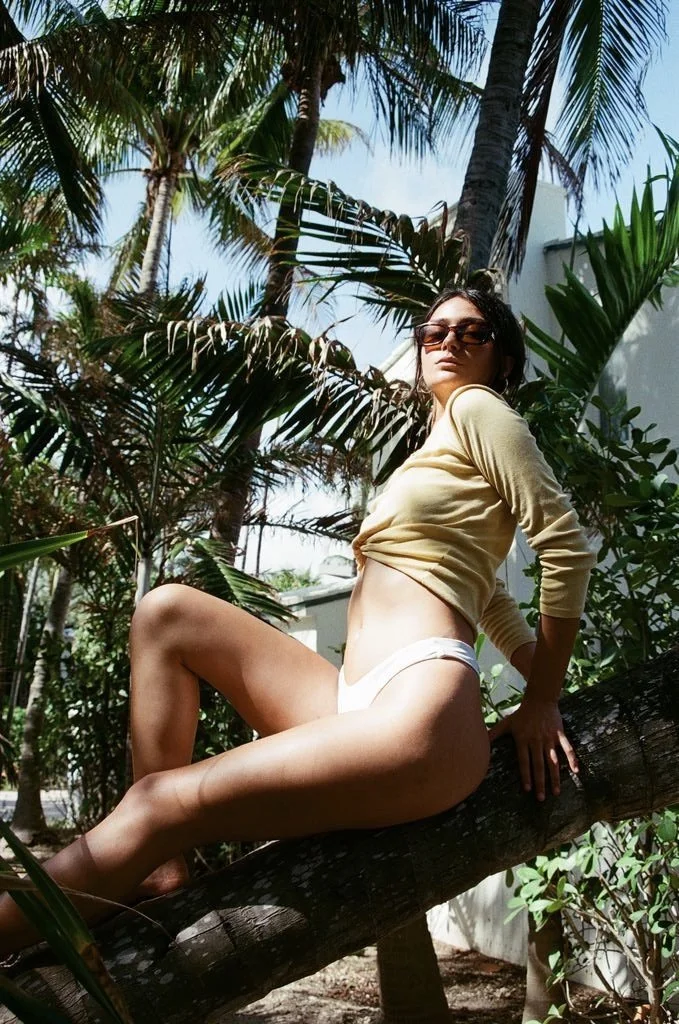
Editorial 35mm Film Photography by Leeanne Drucker; 2020
Miami is a city that gives you a lot to work with.
The architecture. The heat. The color. The movement. The contrast between polished and imperfect. The people who move through it. From the Art Deco buildings of South Beach to the energy of Little Havana, the city has an unmistakable visual language—and editorial photography is a natural way to explore it.
As a Miami editorial photographer, I approach photography as more than simply creating a collection of beautiful images. Editorial photography is about building a visual story: creating images with atmosphere, intention, personality, and a point of view.
Whether the subject is a person, an artist, a fashion collection, a brand, or a place, the goal is to create photographs that feel like they belong to a larger story.
What Is Editorial Photography?
Editorial photography is a style of photography centered around visual storytelling.
Unlike traditional portrait photography, where the primary goal may be to create a flattering representation of a person, editorial photography considers the entire image: the subject, environment, styling, lighting, composition, movement, and mood.
The result can feel more cinematic and narrative-driven.
An editorial portrait might tell you something about the person without requiring them to look directly at the camera. A fashion photograph might use the surrounding architecture as an important part of the composition. A brand shoot might feel more like a series of photographs from a magazine than a traditional collection of marketing images.
There isn't necessarily one formula for what makes an image editorial.
It's the intention behind the image that matters.
Editorial Photography in Miami
Miami offers an especially interesting environment for editorial photography because the city itself can become part of the story.
The visual possibilities change dramatically from neighborhood to neighborhood. Bright tropical landscapes can sit next to brutalist architecture. Historic buildings contrast with modern hotels. Oceanfront locations meet dense urban streets.
Light changes the feeling of the city, too.
Miami's strong natural sunlight can create sharp shadows and high contrast, while late afternoon light can completely transform the atmosphere of a location. Night photography introduces another visual language entirely through neon, streetlights, nightlife, and movement.
For an editorial photographer in Miami, the environment isn't simply a backdrop.
It's part of the photograph.
Editorial 35mm Film Photography by Leeanne Drucker; 2020
Editorial vs. Traditional Portrait Photography
There is nothing wrong with a traditional portrait.
Sometimes you need a clean headshot. Sometimes you need a straightforward portrait for a website, press release, or professional profile.
Editorial photography asks a different question:
What else can this photograph say?
Instead of simply asking someone to stand in front of a camera, an editorial approach might consider:
Where does this person feel most like themselves?
What environment says something about them?
What textures, colors, or objects belong in the frame?
How can movement create a more natural image?
What should the viewer feel when they see the photograph?
How can a series of photographs work together to tell a story?
This is where photography becomes collaborative.
The photographer isn't just documenting what is already there. They are helping construct the visual language of the shoot.
Editorial Portrait Photography
Portraits are one of my favorite places to explore an editorial approach.
A strong editorial portrait doesn't necessarily feel like someone simply stopped to have their picture taken. It should feel connected to the person's personality, environment, and story.
That might mean photographing a musician backstage before a performance, an artist inside their studio, a creative walking through their neighborhood, or someone interacting naturally with a space that feels important to them.
Sometimes the strongest portrait isn't the most traditionally “perfect” photograph.
It's the one that feels the most honest.
Film photography can be particularly beautiful in this context. The texture, grain, color, and imperfections of film can introduce another layer of character into an editorial series.
Editorial Photography for Artists and Musicians
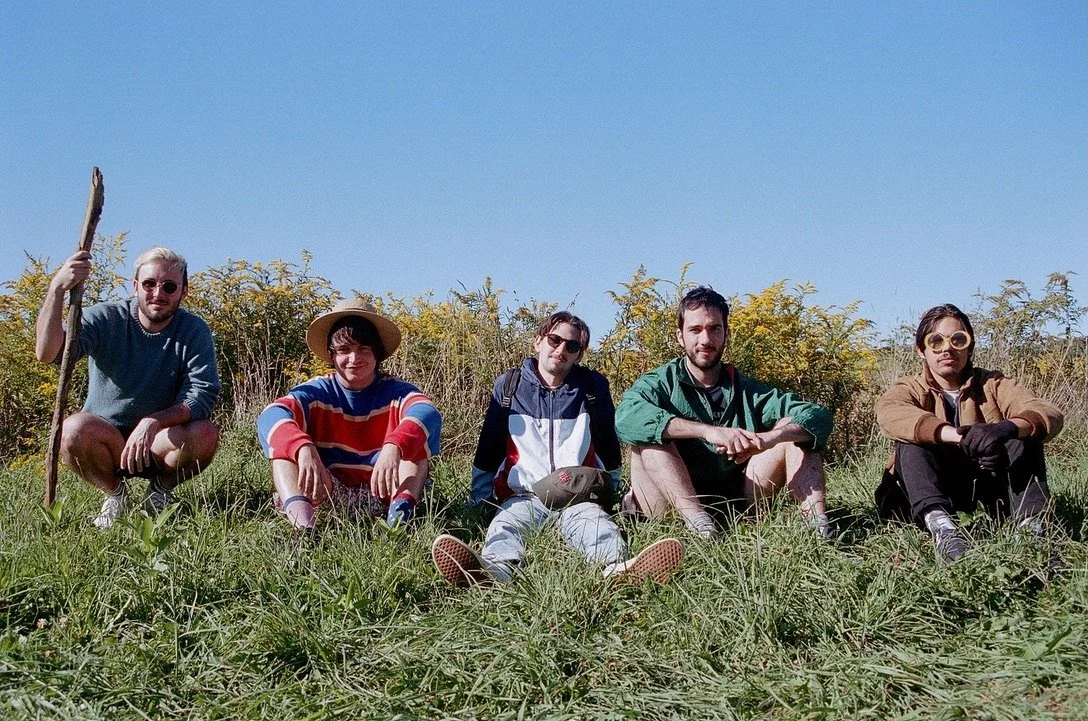
Editorial 35mm Film Photography by Leeanne Drucker; 2020
Editorial photography can be especially powerful for artists.
Musicians, actors, designers, DJs, and other creatives often need imagery that communicates more than what they look like. Their photographs need to communicate who they are.
That can mean creating:
Artist portraits
Album and single imagery
Press photographs
Tour photography
Behind-the-scenes imagery
Promotional campaigns
Social media content
Editorial features
For musicians in particular, photography can become part of their visual identity.
The goal isn't to make every photograph look the same.
It's to create a recognizable world around the artist.
Editorial Photography for Brands

Editorial Brand Photography by Leeanne Drucker; 2026
Brands can benefit from the same approach.
Today's visual marketing is increasingly personal. People want to see the people, places, details, and stories behind a brand—not just perfectly isolated products.
Editorial-style brand photography can help create that feeling.
A restaurant might need photographs that communicate the atmosphere of an evening rather than simply documenting individual dishes. A fashion brand might need imagery that establishes an entire world around a collection. A hospitality brand might want photographs that make someone imagine themselves actually being there.
In these situations, the photographer becomes part photographer and part visual storyteller.
The images need to work individually, but they should also work together as a cohesive visual system.
Creating Images That Feel Like You
One of the most important parts of editorial photography is collaboration.
The best photographs usually happen when the subject isn't trying to become someone else for the camera.
Instead, the shoot should give them enough direction to feel confident while leaving enough room for personality, spontaneity, and unexpected moments.
My approach is intentionally collaborative. I like to build a visual concept around the person, project, or brand while allowing the environment and the moment to influence the final images.
Sometimes that means carefully constructing a frame.
Sometimes it means waiting for something unexpected to happen.
Both can create an editorial photograph.
Why Work With a Miami Editorial Photographer?
If you're looking for photographs that feel more intentional than standard portrait or brand imagery, editorial photography can be a powerful approach.
It allows the photographs to communicate atmosphere, personality, and story while still giving you images that are useful across your website, social media, press materials, campaigns, publications, and other marketing channels.
For me, photography has always been about creating images that feel like they could exist outside of a single moment.
Something you can look at years later and still remember how it felt.
That is ultimately what I love about editorial photography.
It's not just about making an image look good.
It's about giving the image something to say.
Looking for a Miami Editorial Photographer?
Drucker Studio is a Miami-based photography studio specializing in editorial, portrait, music, lifestyle, brand, and creative photography.
Whether you're an artist developing your visual identity, a brand creating a new campaign, or simply looking for portraits that feel a little more like you, I'd love to hear what you're creating.
Let's make something worth remembering.
