

Musician Portrait Photography: Creating Stylized Images for Artists
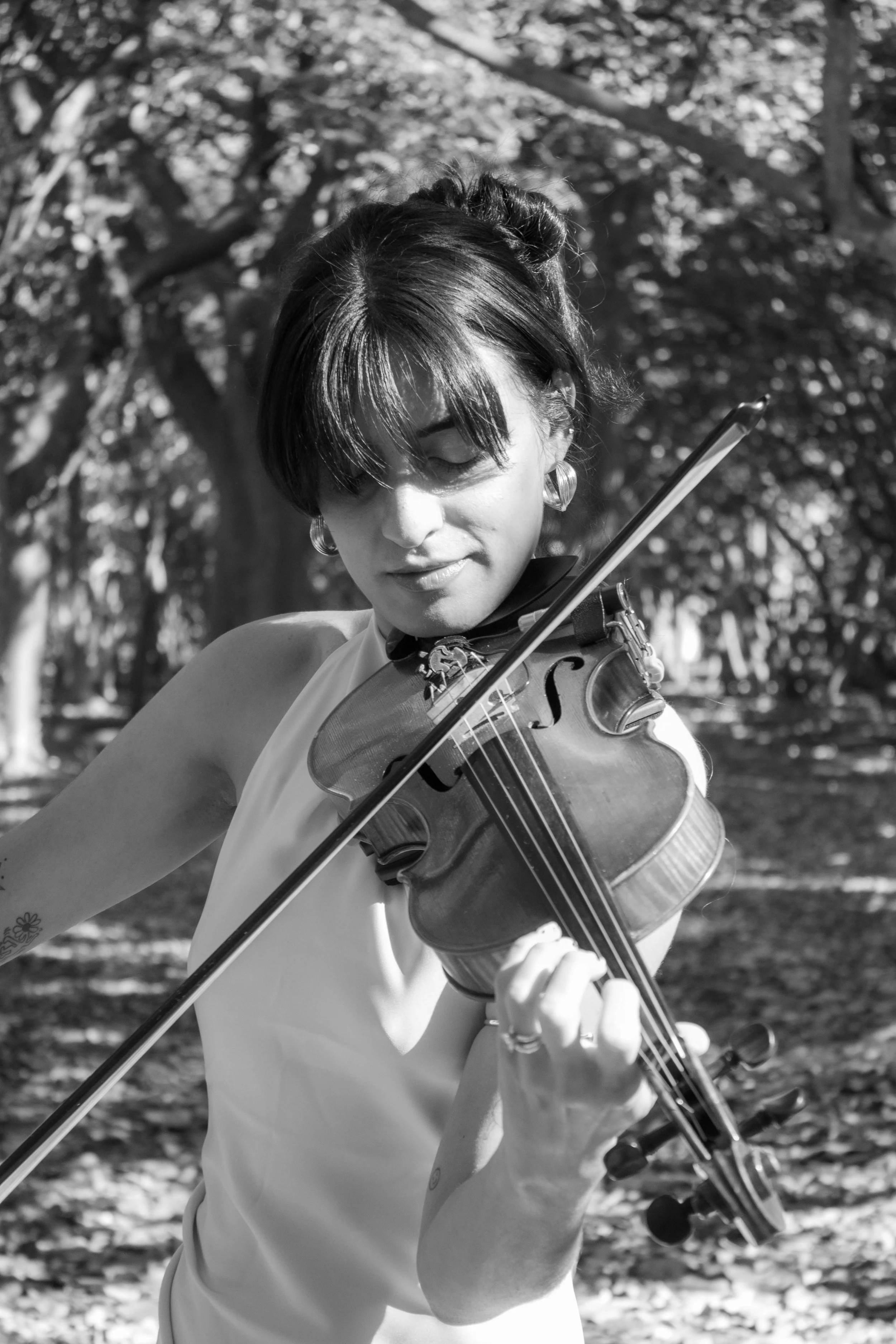
Musician Portraiture by Leeanne Drucker in Miami; 2026
A musician's photograph should feel like more than a photograph of a person.
It should feel like a glimpse into their world.
The best musician portraits capture something beyond appearance: the energy of the artist, the emotion behind the music, the visual language of their work, and the personality that makes them memorable. Whether the image is being used for a press kit, album artwork, a magazine feature, a tour announcement, or an artist's social media, a strong portrait has the ability to become part of the artist's identity.
As a Miami photographer specializing in portrait, editorial, and music photography, I approach musician portrait photography as a collaborative visual experience. The goal isn't simply to make an artist look good. It's to create images that feel like them.
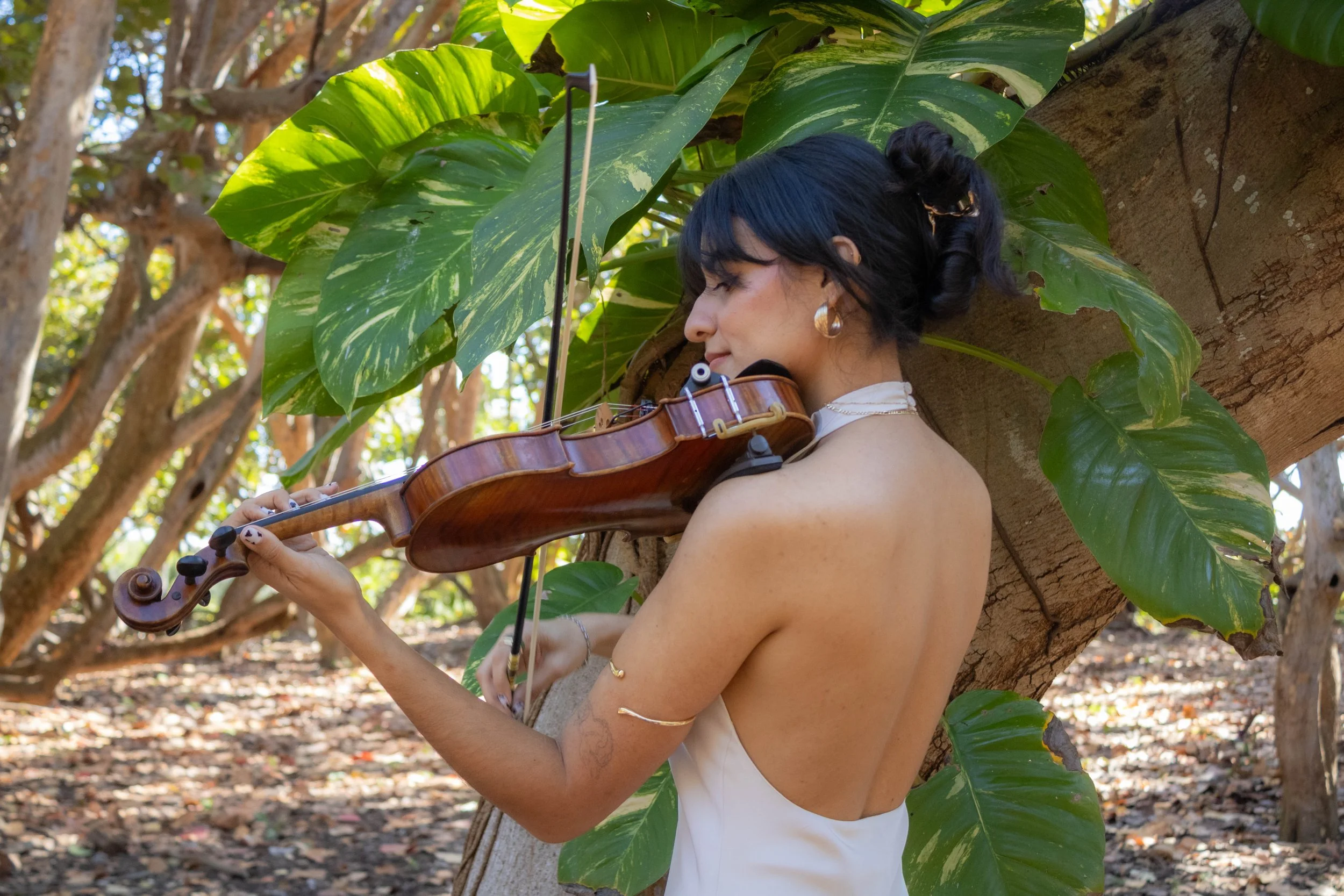
Musician Portraiture by Leeanne Drucker in Miami; 2026
A Musician Portrait Should Feel Like the Artist
Every artist already has a visual identity, even if they haven't fully defined it yet.
The music itself can tell us a lot. Is it raw and intimate? Loud and chaotic? Romantic? Nostalgic? Experimental? Playful? Dark? Somewhere in between?
Those qualities can become the foundation for a portrait session.
I like to think about the entire photograph, not just the person standing in front of the camera. Location, wardrobe, lighting, composition, movement, texture, color, and even the imperfections within the frame can all contribute to the story.
A musician portrait doesn't necessarily need to be complicated. Sometimes the strongest image is incredibly simple: an artist, a quiet space, beautiful light, and enough room for their personality to come through.
Other times, the photograph needs to be completely constructed.
That's where stylized artist photography becomes especially exciting.
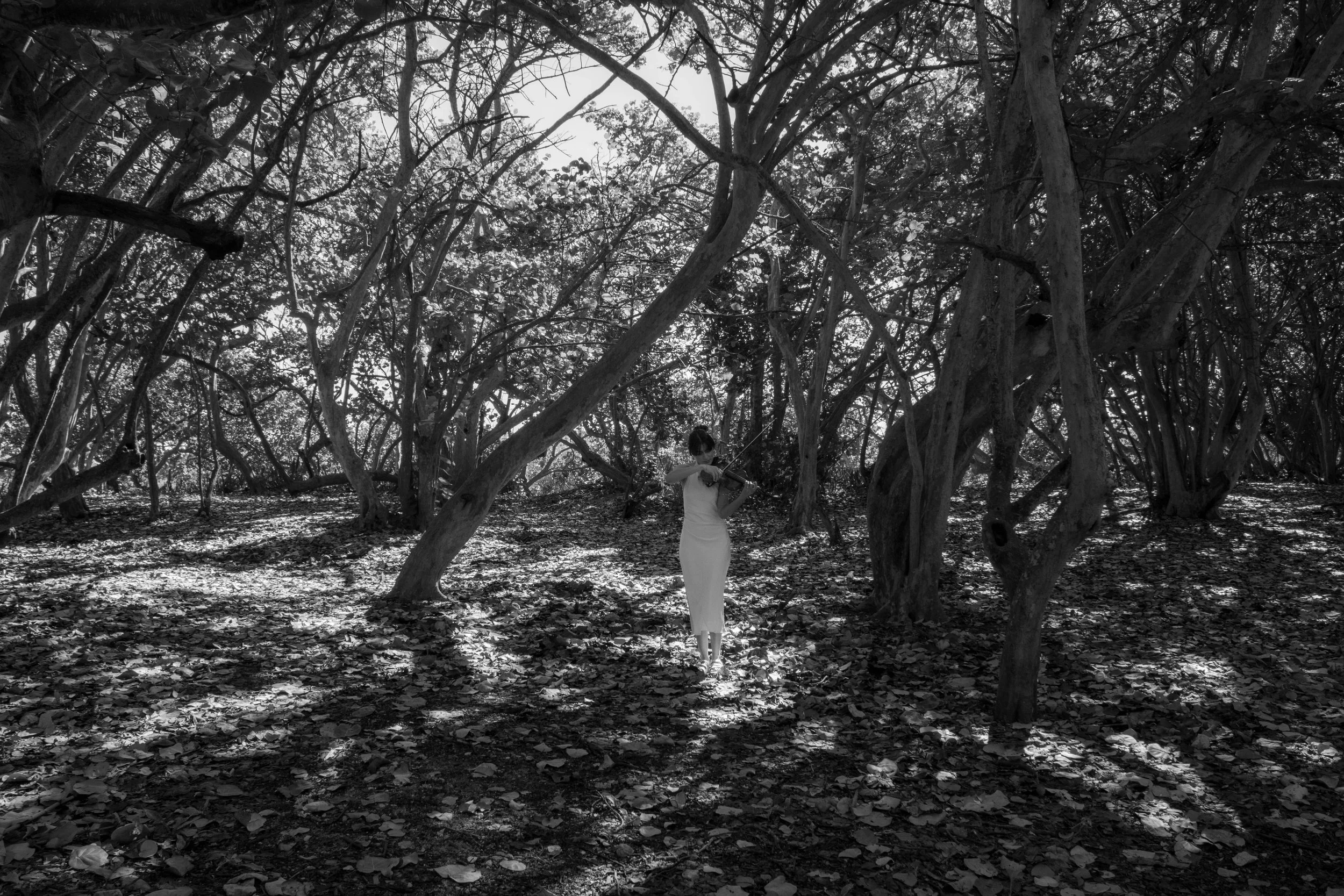
Musician Portraiture by Leeanne Drucker in Miami; 2026
From Portrait Session to Editorial Concept
There is a difference between taking portraits of a musician and creating a visual world around a musician.
A stylized photoshoot gives us the opportunity to build something intentionally.
Maybe we're photographing an artist in an empty theater with dramatic lighting. Maybe we're creating cinematic portraits in a hotel room, shooting 35mm film in a vintage location, or building a series of images around a particular color palette.
The concept doesn't have to be elaborate. It just needs to have a reason for existing.
Before a shoot, I like to think about questions such as:
What should this artist's audience feel when they see these images?
What does this music look like?
What parts of the artist's personality should come forward?
Should the photographs feel polished, intimate, cinematic, surreal, raw, nostalgic, or spontaneous?
Those questions can completely change the direction of a session.
The result is photography that feels less like a standard headshot session and more like an editorial story.
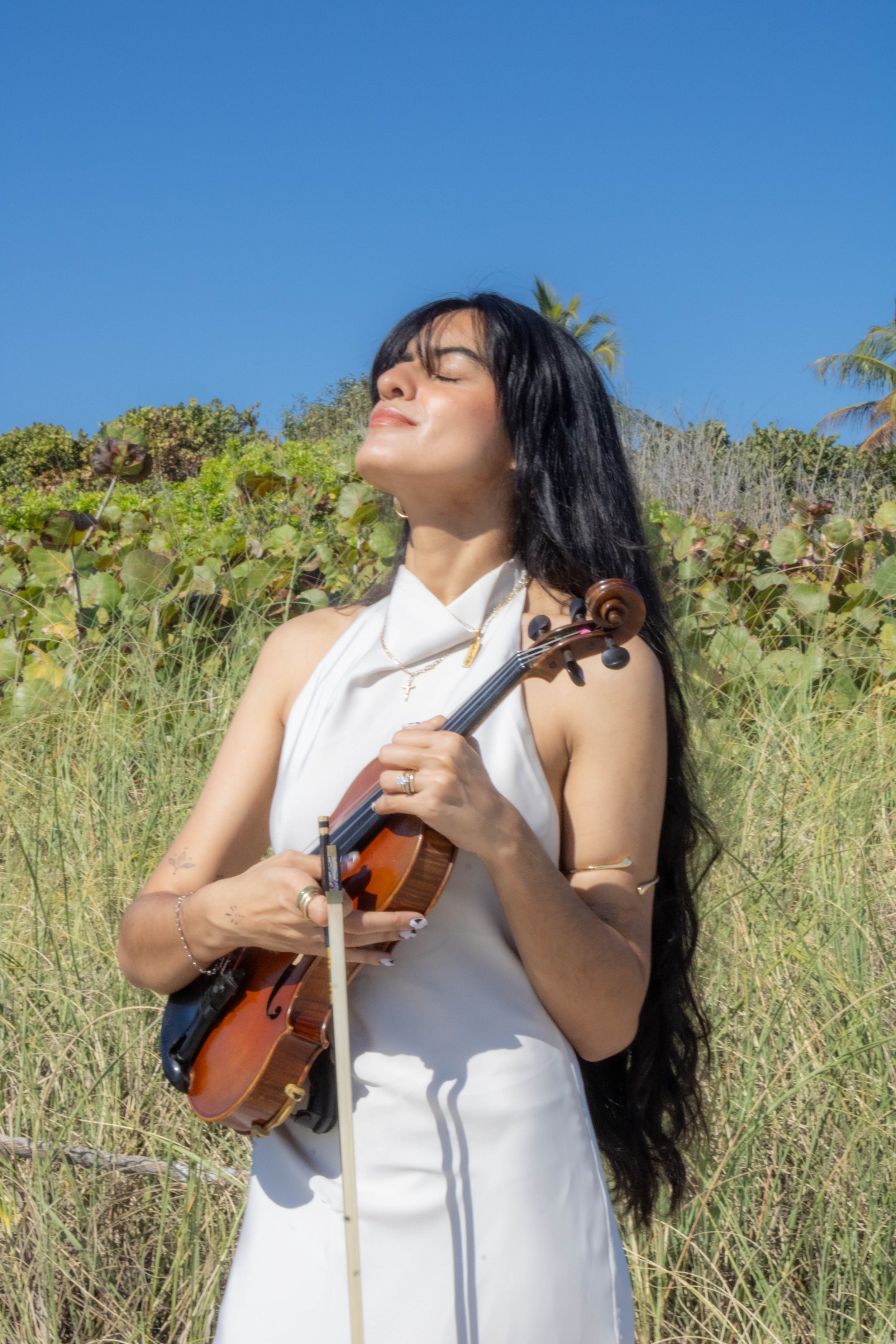
Musician Portraiture by Leeanne Drucker in Miami; 2026
Building a Concept Around an Artist
The strongest musician photoshoots usually begin before the camera comes out.
Location can establish an entire mood. A rehearsal space can feel intimate and documentary. A downtown street can make a portrait feel energetic and cinematic. A studio gives us complete control over lighting and composition.
Wardrobe can communicate just as much as the location.
Lighting can transform the emotional tone of an image.
Film can introduce grain, texture, and unpredictability.
Movement can make a portrait feel alive.
Even small details like hands, jewelry, instruments, makeup, architecture, shadows, reflections, or the environment surrounding the artist can become part of the visual story.
This is why I approach artist portraits collaboratively. The photographer doesn't have to arrive with every answer. The artist's music, personality, references, and ideas are all part of the creative process.
The goal is to create photographs that feel intentional without feeling forced.
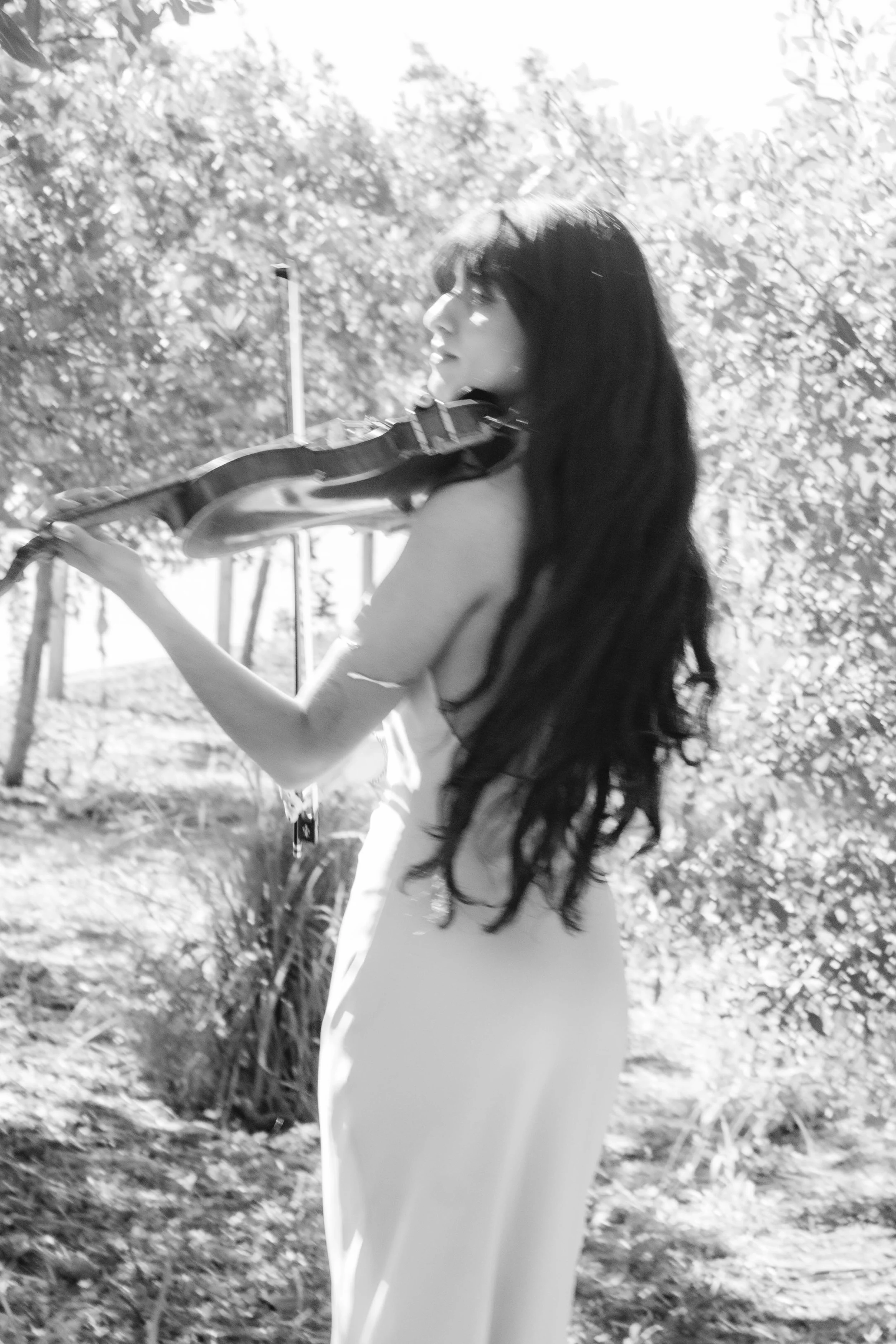
Musician Portraiture by Leeanne Drucker in Miami; 2026
Editorial Photography for Artists
Editorial music photography is where portraiture, storytelling, and creative direction can overlap.
An editorial portrait doesn't necessarily need to explain everything about an artist. It can leave room for interpretation.
That's one of the things I love most about this type of photography.
A photograph can be strange.
It can be quiet.
It can be imperfect.
It can feel cinematic or completely unpolished.
It can make someone stop scrolling for a second and wonder what the story is.
For musicians, that kind of image can be incredibly valuable. Their photographs don't just document a moment…they become part of the way audiences understand the artist.
That is especially important in a music industry where visual identity and musical identity are increasingly connected.
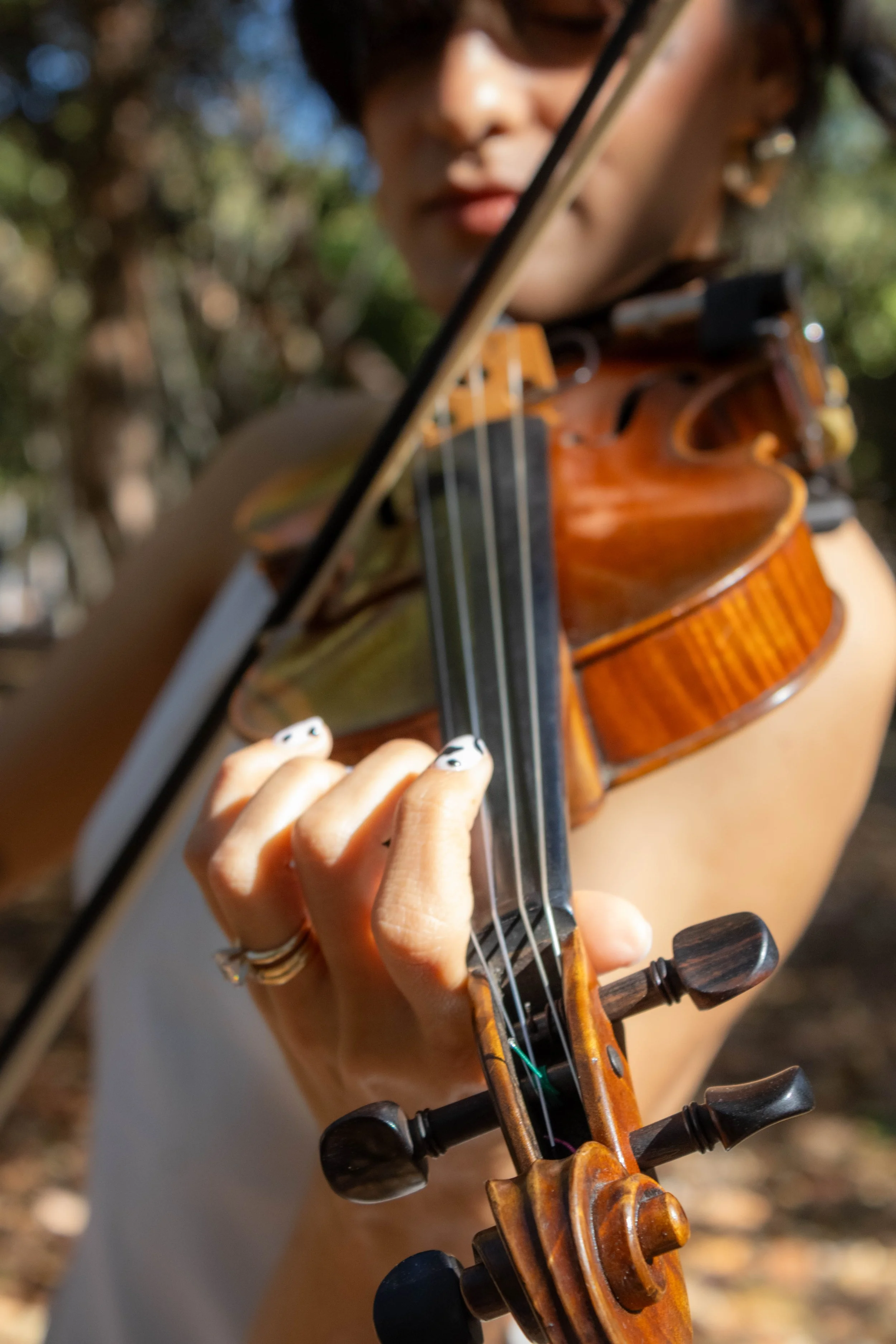
Musician Portraiture by Leeanne Drucker in Miami; 2026
Photographing Musicians in Miami
Miami is an incredible place to make music photography feel visually distinct.
There is the obvious tropical environment, but the city offers much more than palm trees and beaches. Brutalist architecture, Art Deco buildings, colorful neighborhoods, hotels, nightlife, warehouses, studios, streets, pools, and industrial spaces can all become part of an artist's visual world.
The location should support the artist rather than distract from them.
For one musician, Miami might mean an understated portrait in beautiful natural light.
For another, it might mean something surreal and highly stylized.
For another, the city itself might become part of the story.
Being based in Miami also means I can work with local artists as well as traveling musicians, bands, labels, publicists, and creative teams coming through South Florida.
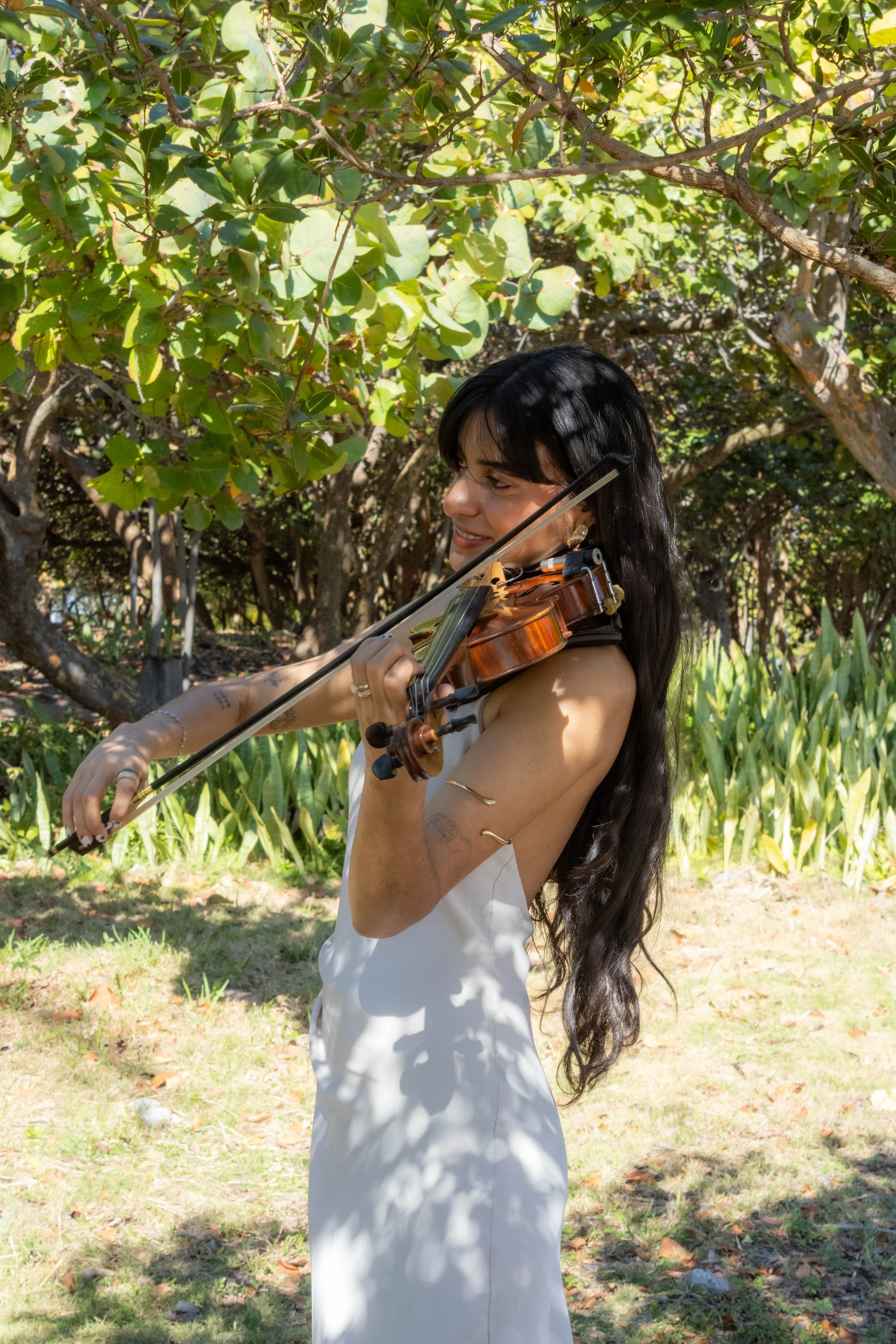
Musician Portraiture by Leeanne Drucker in Miami; 2026
My Approach to Musician Portrait Photography
My favorite shoots don't feel like someone simply arrived, stood in front of a backdrop, smiled, and left.
I want there to be a sense of discovery.
I want to photograph the moments between the obvious ones.
The way someone moves when they stop thinking about the camera.
The expression that happens half a second before the “perfect” expression.
The strange little details that would never happen during a traditional headshot session.
Sometimes that means creating a very specific concept and executing it intentionally.
Sometimes it means bringing a camera into a space and seeing what happens.
And sometimes the best approach is simply giving an artist room to be themselves.
My background in music also influences the way I approach photographing musicians. I understand that an artist's relationship with their work is personal, and I believe the photographs should respect that while still pushing creatively.
Whether the final images are captured on film, digitally, or a combination of both, I want the photographs to feel like something the artist can actually see themselves in.
